
Dental Bridges vs. Dental Implants: Pros, Cons, Longevity
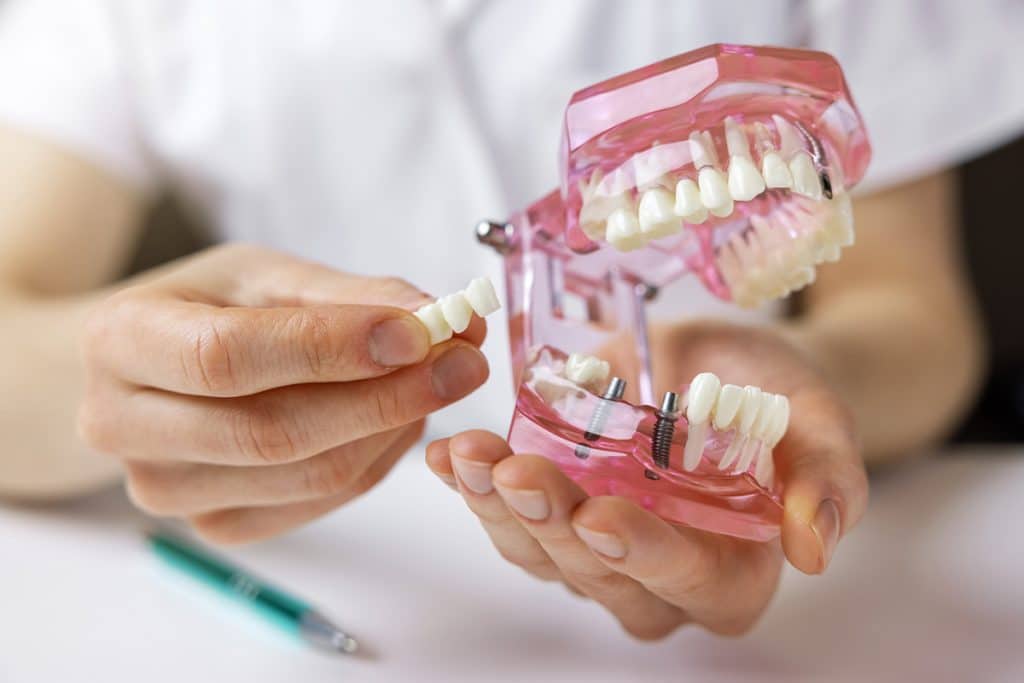
A missing tooth can make everyday activities like eating your favorite meals or smiling for a family photo feel uncomfortable. This is the unfortunate reality of over 120 million Americans and not knowing what can be done to replace that missing piece can be daunting. When you lose a tooth, finding the right replacement is essential for preserving your oral health, maintaining your facial structure, and restoring your confidence. Fortunately, modern restorative dentistry provides excellent, natural-looking solutions to bring your smile back to its full function and beauty. We understand that choosing between the available options can feel a bit overwhelming, so we want to provide you with clear, straightforward information to help you make the best decision for your oral health.
Two of the most reliable and popular treatments we offer for replacing missing teeth are dental implants and dental bridges. Both options deliver beautiful, functional results, but they use completely different methods to fill the gap in your smile. By understanding the distinct advantages, potential drawbacks, and expected lifespan of each treatment, you can feel confident and reassured as you take the next steps toward a complete, healthy smile.
Understanding Dental Implants: The Pros and Cons
A dental implant is a comprehensive replacement that mimics the structure of your natural tooth from the root to the crown. We surgically place a small, biocompatible titanium post directly into your jawbone, which acts as a sturdy foundation for a custom-made artificial tooth. The biggest advantage of this approach is that it actively stimulates your jawbone, preventing the bone loss that naturally occurs when a tooth is missing. Furthermore, implants stand completely on their own, meaning we do not need to alter or rely upon your surrounding healthy teeth for support. If you are looking for high-quality dental implants in Chandler, this option provides a permanent, secure, and incredibly lifelike solution that feels just like a natural tooth.
However, we always want our patients to have the full picture before moving forward with any treatment. Because placing an implant involves a minor surgical procedure, the overall process requires a longer time commitment compared to other options. Your jawbone needs several months to fully heal and fuse with the titanium post through a process called osseointegration before we can attach the final crown. Additionally, you must have adequate bone density to support the implant; if your jawbone is too thin, we may need to perform a bone grafting procedure first, which adds to the timeline.
Exploring Dental Bridges: Advantages and Disadvantages
A dental bridge is a traditional and highly effective restoration that literally "bridges" the gap created by one or more missing teeth. This custom-crafted appliance consists of an artificial tooth suspended between two dental crowns, which we attach to the natural teeth on either side of the space. One of the main benefits of a bridge is the speed and simplicity of the procedure. Because no surgery or bone healing is required, we can typically complete your bridge and fully restore your smile in just a few short weeks. It is an excellent, non-surgical alternative that immediately restores your ability to chew comfortably and speak clearly.
The primary drawback of a dental bridge is that it requires us to modify the teeth adjacent to the gap, which occasionally means trimming a tooth that may or may not have anything wrong with it. We must remove a small amount of enamel from these supporting teeth to ensure the crowns fit securely over them, which permanently alters their natural structure. Additionally, unlike an implant, a bridge sits above the gumline and does not replace the missing tooth root. This means the jawbone underneath the missing tooth will not receive the stimulation it needs. This can lead to gradual bone loss in that specific area over time. Cleaning beneath a bridge also requires a little extra attention and special flossing tools to keep the surrounding gums and teeth healthy.
Longevity and Maintenance: Which Lasts Longer?
When it comes to long-term value and durability, dental implants are widely considered the gold standard in restorative dentistry. Because the titanium post fuses directly with your living bone, the implant itself is designed to last a lifetime with proper care. The ceramic crown attached to the implant may eventually need replacement due to normal wear and tear after 15 to 20 years, but the foundation remains securely in place. Caring for an implant is wonderfully simple—you just brush and floss it exactly like you would your natural teeth and maintain your regular dental checkups with our team.
Dental bridges are also quite durable, but they generally have a shorter lifespan than implants. On average, a well-maintained dental bridge will last between 10 and 15 years before it needs to be replaced. The supporting teeth anchor the bridge, meaning their health is vital to the longevity of the restoration. If decay develops under the crowns or if gum disease weakens the surrounding tissue, the bridge can fail. To maximize the life of your bridge, we recommend a diligent oral hygiene routine, including using a water flosser or specialized interdental brushes to keep the area completely free of plaque and food particles.
Making the Right Choice for Your Smile
Deciding between a dental bridge and a dental implant ultimately depends on your unique oral health needs, your timeline, and your personal preferences. We are here to support you through every step of this journey, providing gentle, non-judgmental guidance tailored to your specific situation. During a comprehensive evaluation, our team will carefully assess your jawbone health, the condition of your surrounding teeth, and your overall goals to recommend the most effective treatment. We want you to feel completely comfortable and informed so you can enjoy a healthy, fully restored smile for years to come.
Frequently Asked Questions About Restorative Dentistry
How do I know if I have enough bone density for an implant?
During your initial consultation, we use advanced imaging technology to take detailed scans of your mouth and jawbone. These scans allow us to accurately evaluate your bone density and determine if it can safely support a titanium post. If we discover that your bone is too thin or soft, we can easily discuss preliminary treatments like bone grafting to strengthen the area and prepare you for a successful implant procedure.
Does getting a restorative dental treatment hurt?
Your comfort is our top priority, and we go above and beyond to ensure our treatments are as stress-free and painless as possible. Whether you are receiving a bridge or an implant, we utilize modern local anesthetics to completely numb the treatment area so you will not feel any pain during the procedure. For the days following your treatment, we will provide you with clear, simple aftercare instructions and pain management strategies to keep any mild soreness to an absolute minimum.
Welcome to Rush Family Dental! Since 1989, our family-owned dental practice has provided premium, compassionate care for patients of all ages. We focus on your individual needs to deliver excellent restorative treatments in a welcoming, low-stress environment equipped with the latest technology. If you are ready to reclaim your smile, schedule an appointment with our expert team today.